What Is SEER and Why Does It Matter?
If you’re shopping for a new air conditioner in Texas, you’ll hear the term SEER rating (Seasonal Energy Efficiency Ratio) come up a lot. This number helps you compare energy efficiency between systems—but understanding how SEER affects your home and budget can help you make the smartest choice.
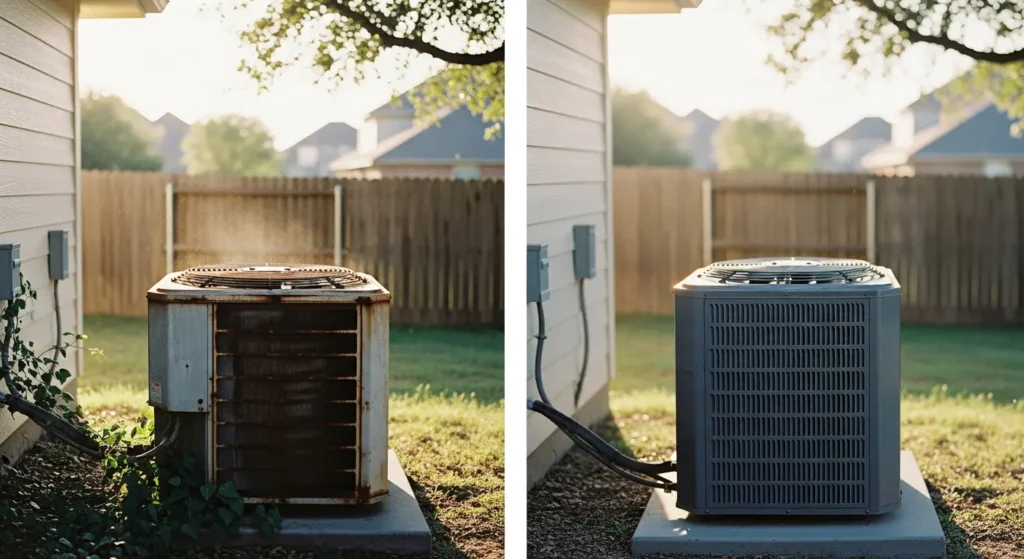
How SEER Ratings Work
The SEER rating measures how much cooling a system provides compared to the energy it uses. The higher the number, the more efficient the system.
- A unit with a SEER 14 rating is less efficient than one rated SEER 18.
- As of 2023, the minimum SEER requirement for new systems in the southern U.S. (including Texas) is 15 SEER.
Higher SEER systems often qualify for energy rebates, offer quieter performance, and reduce monthly energy costs.
Is a Higher SEER Always Better?
Not always. While high-SEER systems are more efficient, they also come with a higher upfront cost. The right choice depends on:
- How long you plan to stay in your home
- The size and insulation of your property
- Average energy costs in your area
- Your existing ductwork and HVAC setup
If you’re in cities like Forney, Palestine, or Gun Barrel City—where long cooling seasons are common—a higher SEER system may offer long-term savings.

SEER Ratings vs. Real-World Performance
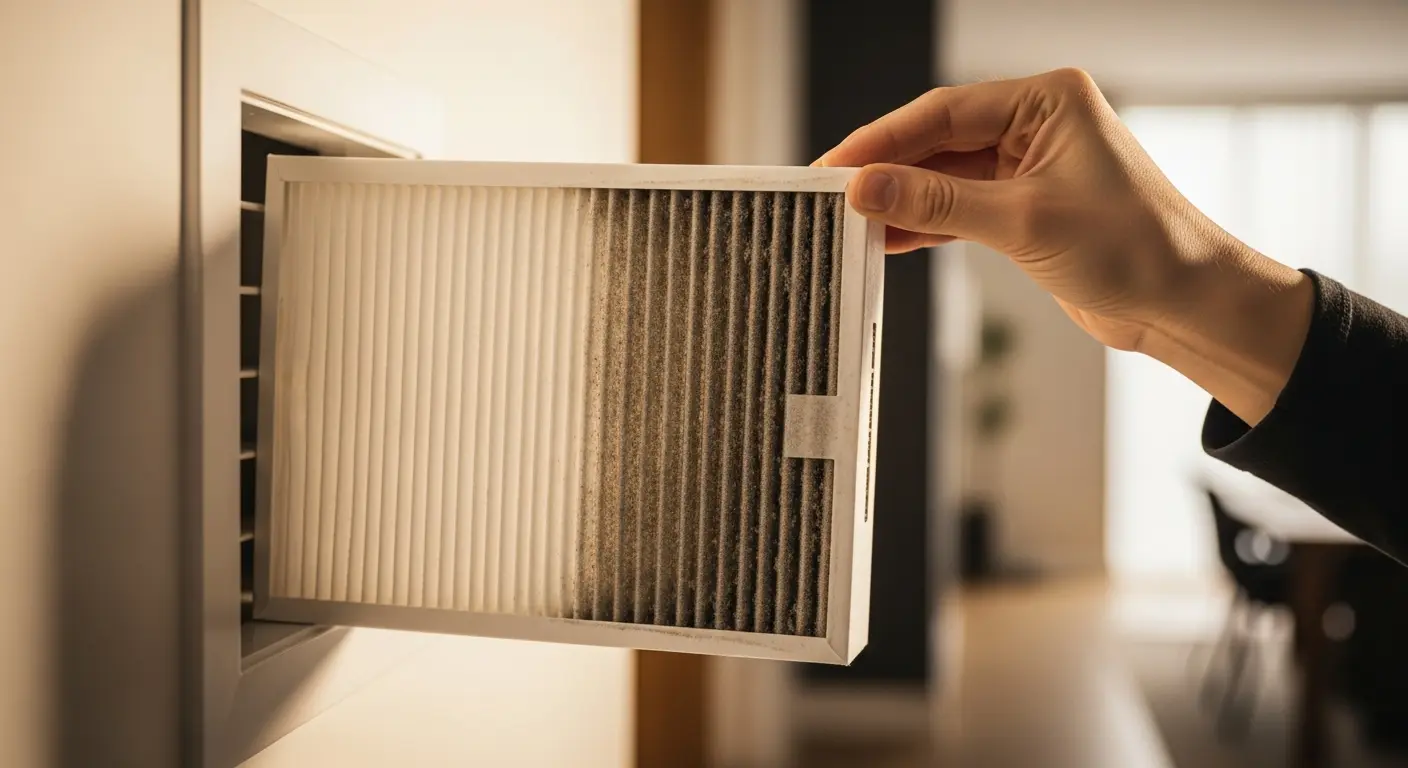
It’s also important to know that SEER ratings reflect ideal lab conditions. Factors like dirty filters, poor insulation, or aging ductwork can lower your system’s real-world efficiency. That’s why Free State Heating & Cooling helps homeowners choose the right unit—and keeps it performing with regular maintenance.
Let Us Help You Choose the Right System
Our team at Free State Heating & Cooling offers guidance on energy-efficient HVAC units suited for your home or business. We’ll help you compare brands, understand SEER ratings, and make a smart investment in comfort and savings.