New HVAC Installation: What to Expect (And How to Get It Right)
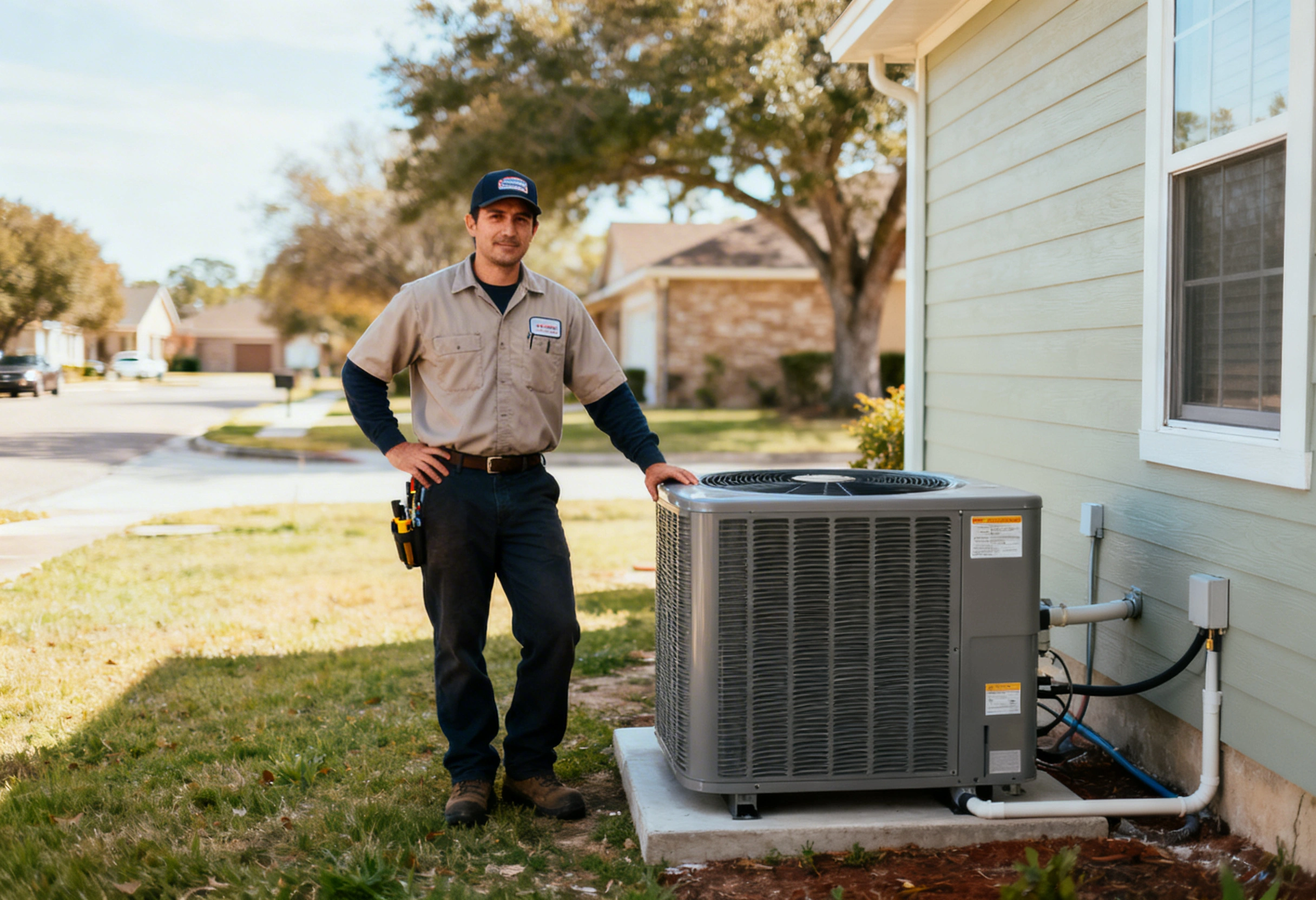
A new HVAC installation isn’t just swapping equipment—it’s making sure the system fits your home or business and performs efficiently in Texas weather. The best installs start with proper sizing and end with clean workmanship, correct airflow, and verified performance.

The Most Important Part: Correct Sizing
Bigger isn’t always better. An oversized unit can short cycle, leaving humidity problems and uneven comfort. An undersized system may run nonstop and still struggle to keep up. A contractor should use measurements and load calculations to recommend the right system size for your space.
Installation Factors That Affect Comfort
Ductwork condition, insulation, thermostat placement, and airflow balance all impact performance. A new unit won’t deliver great results if ducts are leaking or airflow is restricted. For commercial spaces, zoning and ventilation are also important for consistent comfort and better energy control.
After Install: What Should Be Verified
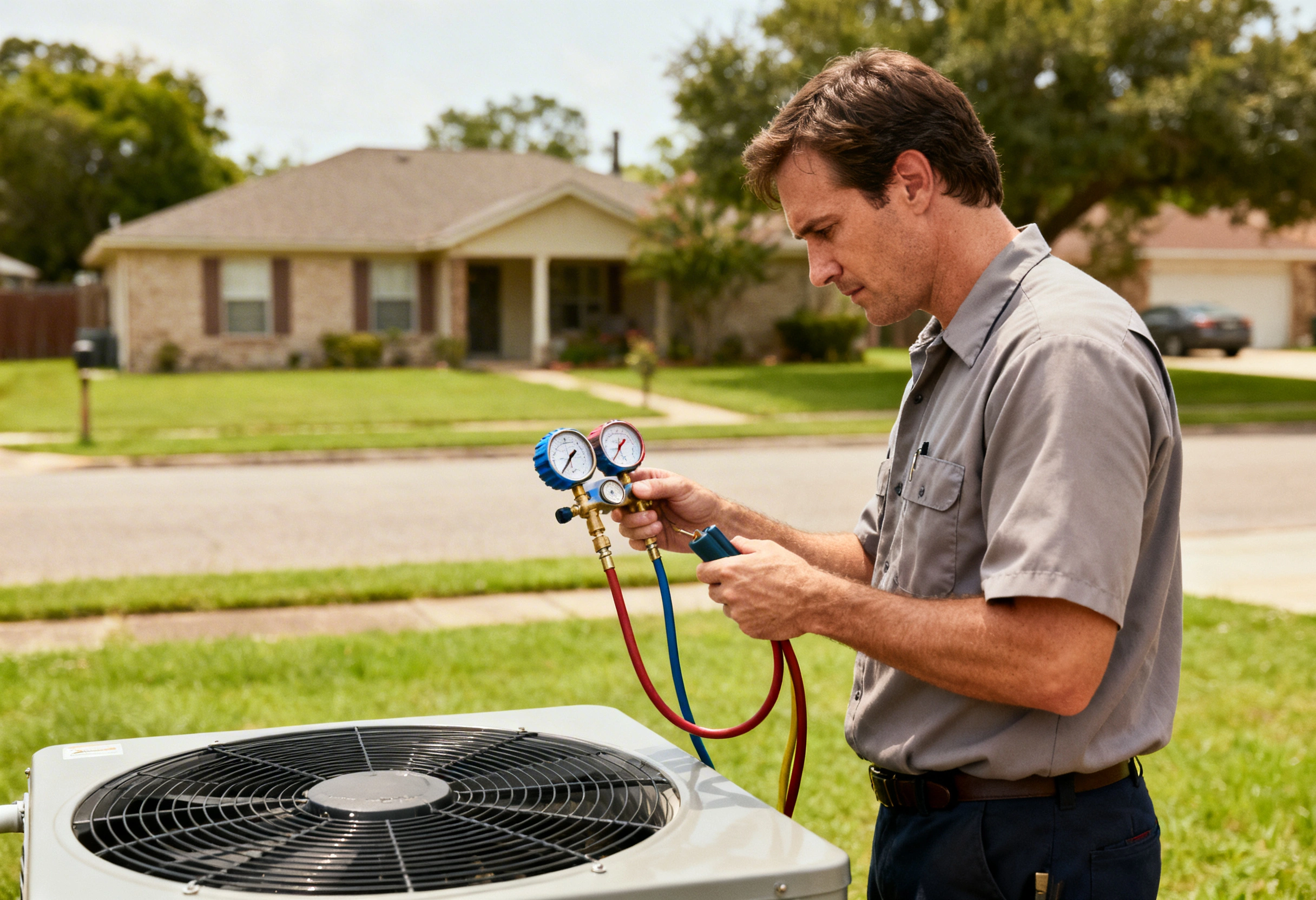
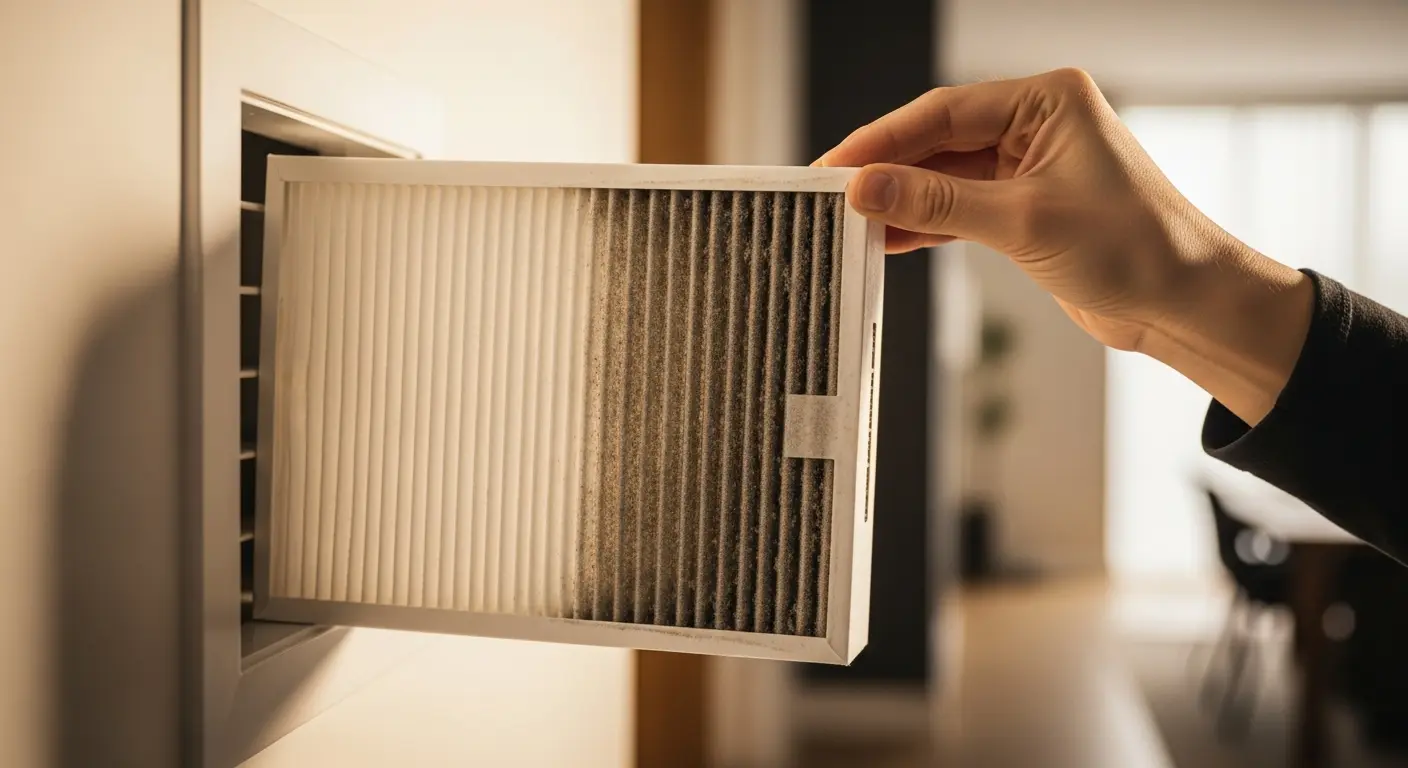
A professional installation should include a full system test, thermostat setup, and a walkthrough of basic care (like filter changes). You should know what normal operation looks like and when to call if something feels off.