Replacing an HVAC system is a big decision, but the right timing can save you money and prevent stress during extreme Texas heat. Most systems last 12–20 years, but heavy summer use can shorten lifespan if maintenance has been inconsistent. If you’re seeing frequent repairs, uneven temperatures, or rising energy bills, it may be time to evaluate replacement options.

Signs Replacement May Be the Smarter Choice
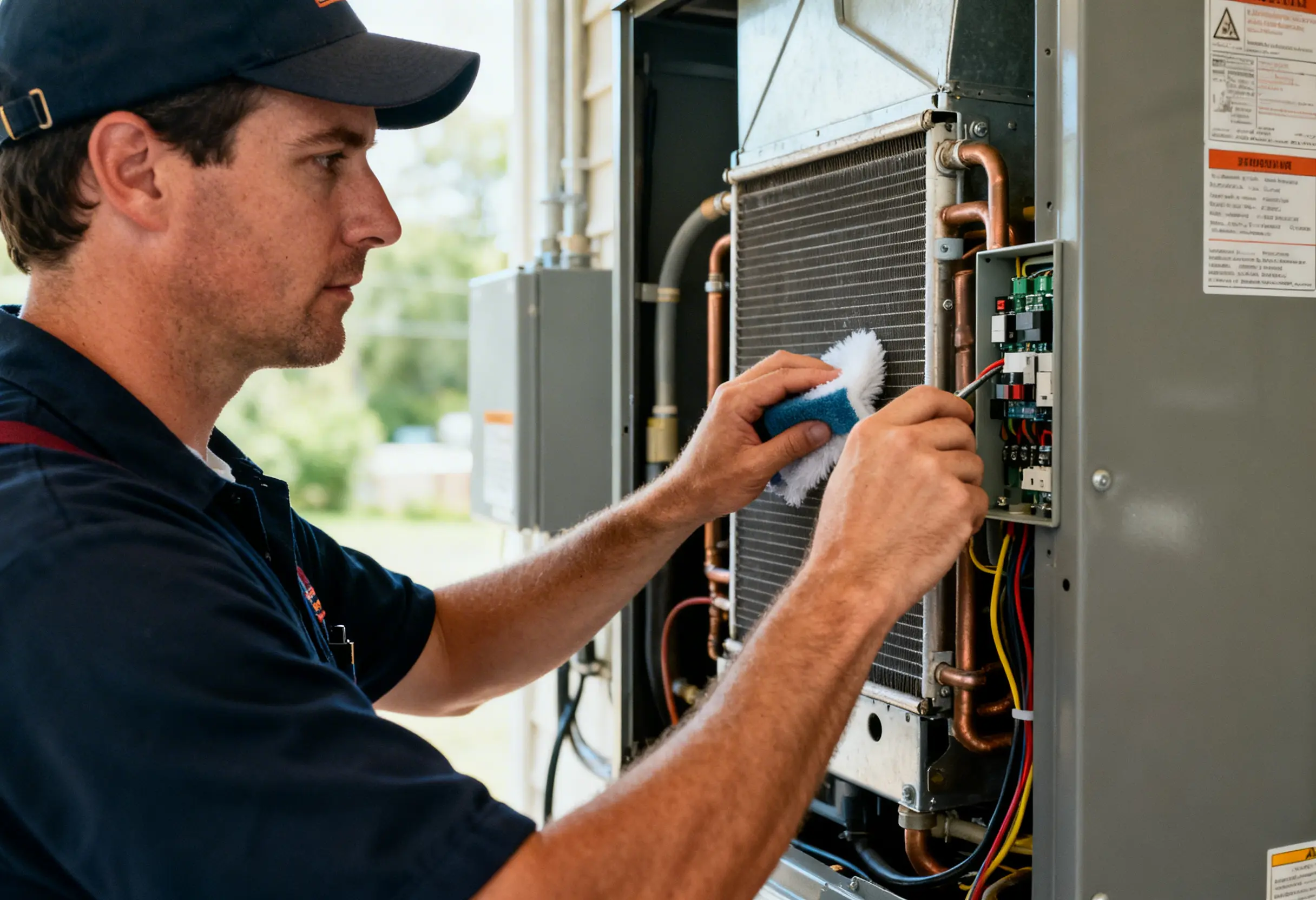
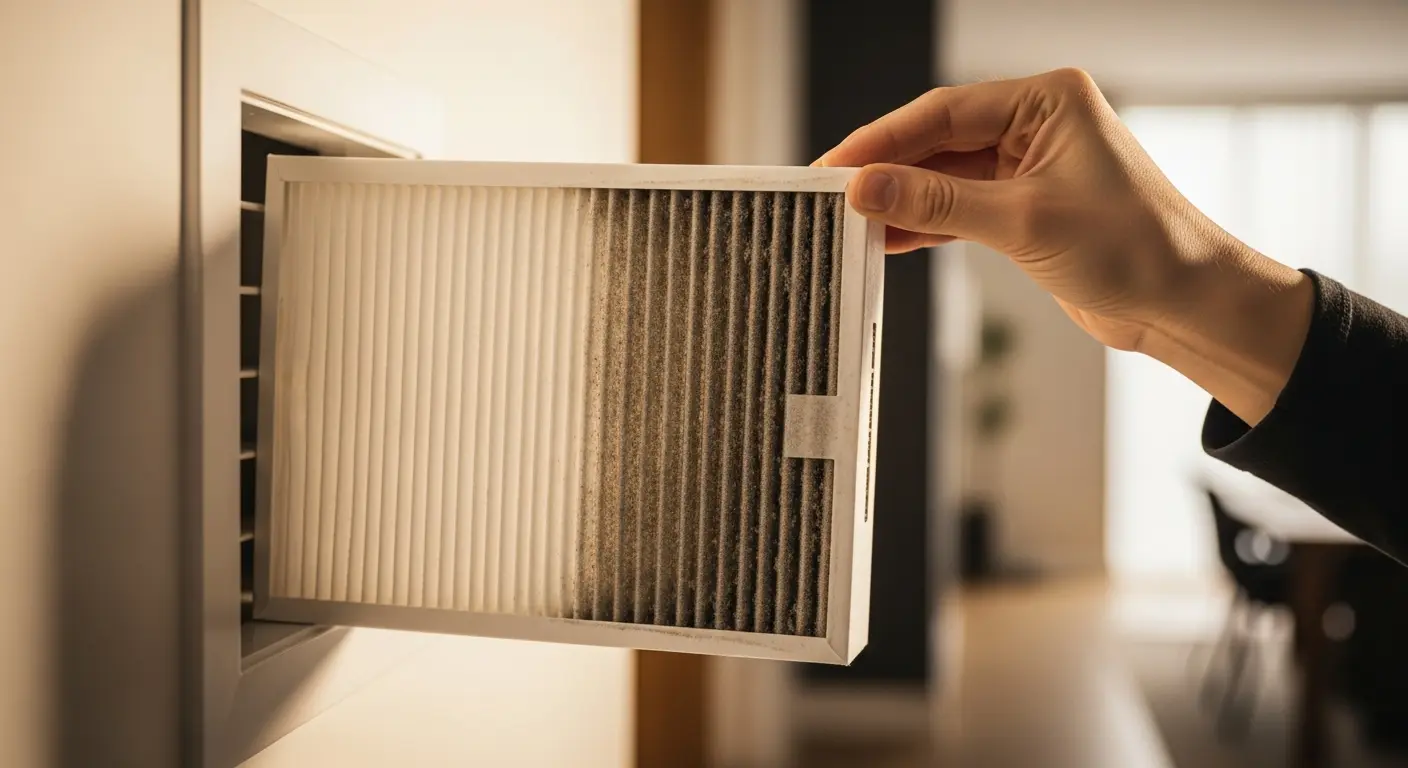
If your system needs repairs multiple times per year, you may be paying to keep an aging unit alive. Other red flags include short cycling (turning on and off constantly), weak airflow, or your home never reaching the set temperature. If your system still uses older refrigerant or has major component issues (compressor, coil, or blower failure), replacement can often be more cost-effective long term.
What You Gain With a New HVAC System
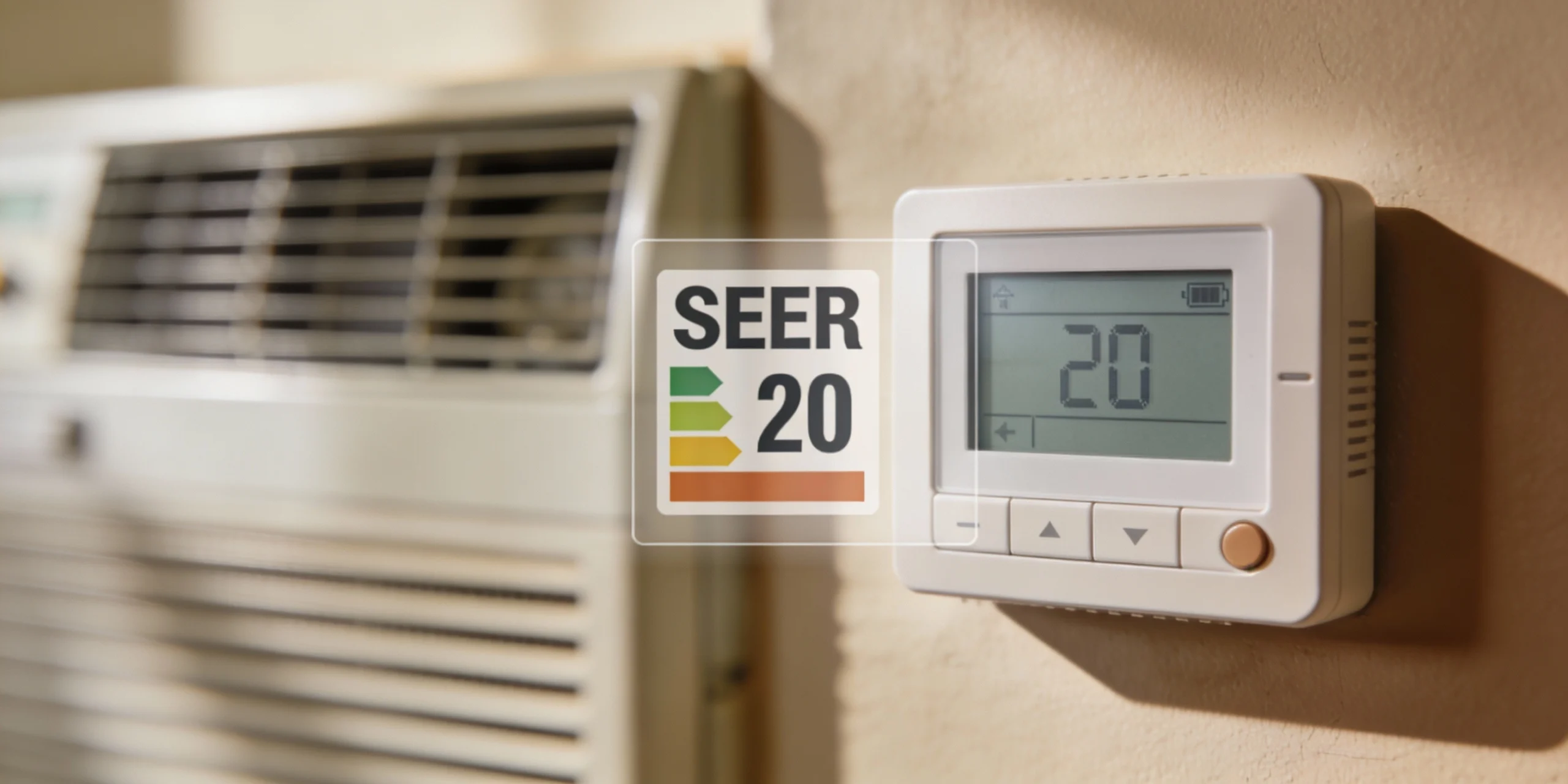
A newer system can deliver better comfort, improved energy efficiency, and quieter operation. Many homeowners also notice stronger airflow and more consistent temperatures across the house. For Texas homes, choosing the right efficiency level and proper sizing matters just as much as the brand.
Next Step
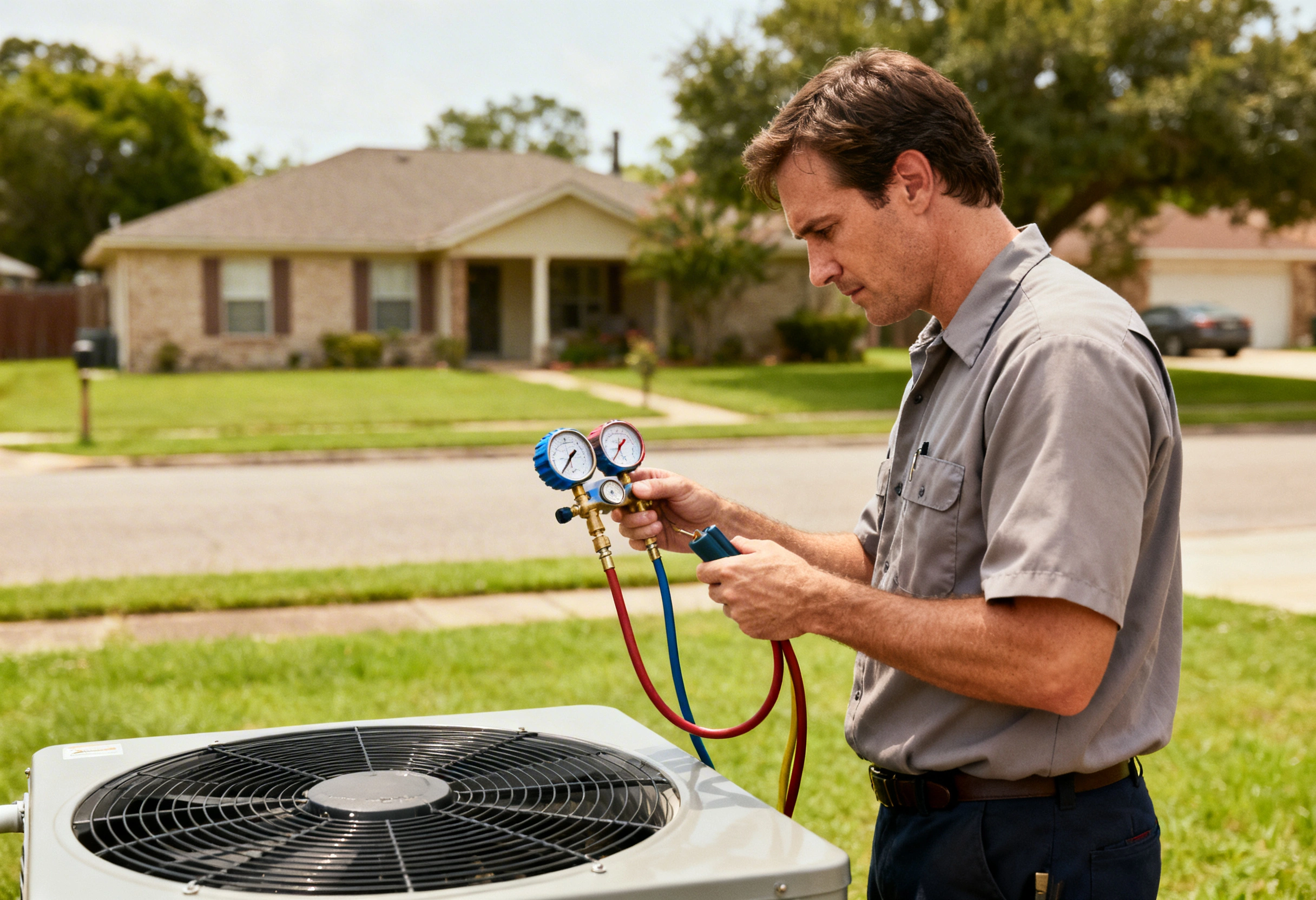
If you’re unsure whether to repair or replace, Free State Heating & Cooling can inspect your system and provide a straightforward recommendation based on performance, cost, and comfort.