A dependable HVAC system is essential for businesses across East Texas. It helps maintain a comfortable environment for employees, customers, tenants, and visitors. It may also protect products, equipment, and parts of the building that are sensitive to heat or humidity.
Commercial systems often operate for longer hours than residential equipment. Without routine maintenance, minor problems can grow into breakdowns that interrupt normal business operations.
Reduce Unexpected HVAC Downtime
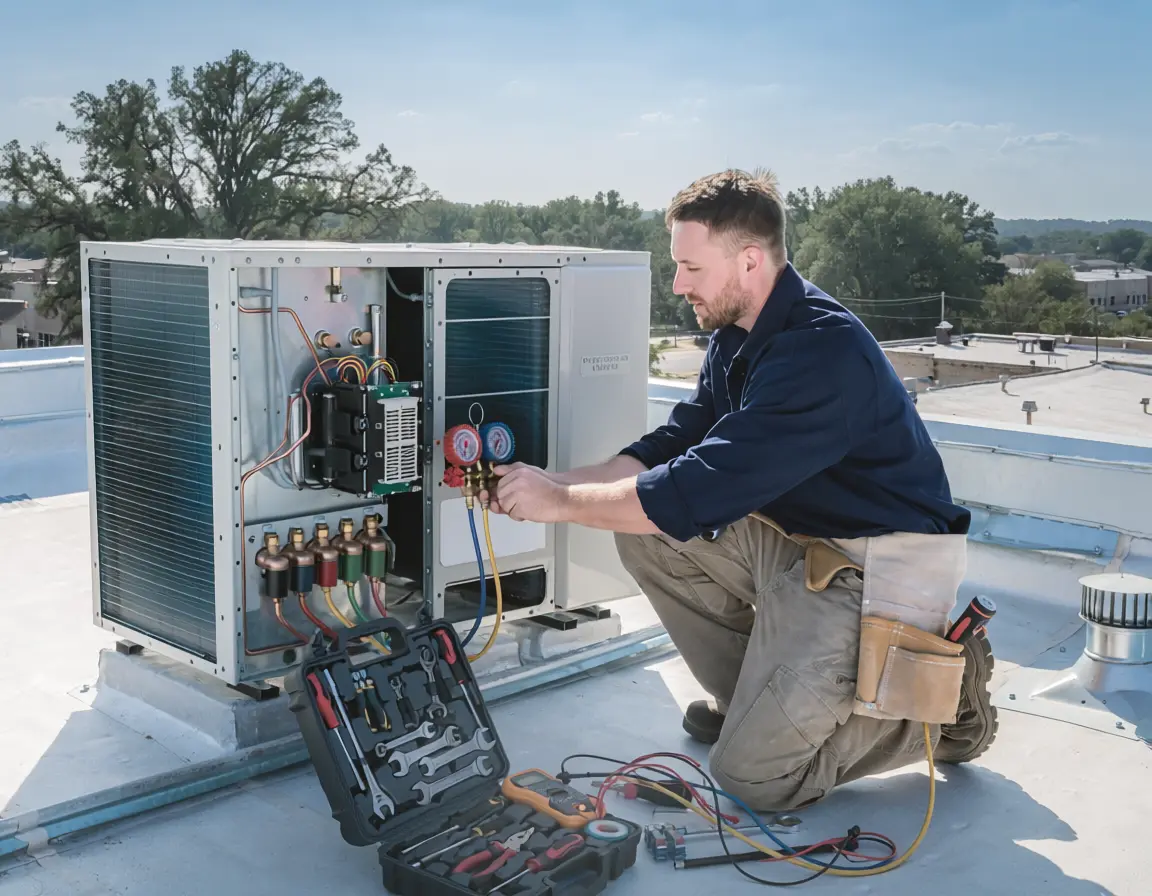
A commercial HVAC failure can affect staff productivity, customer experience, and daily operations. If the system stops cooling during a hot East Texas afternoon, parts of the building may become uncomfortable very quickly.
Routine maintenance gives technicians an opportunity to find loose connections, worn parts, drainage problems, dirty coils, and airflow restrictions before they cause a shutdown.
Help Control Operating Costs
Heating and cooling can represent a significant part of a commercial property's energy use. When filters, coils, motors, or other components are dirty or worn, the system may consume more energy to maintain the same temperature.
Maintenance does not guarantee a specific reduction in utility costs, but it can help the system operate closer to its intended performance. It can also reveal issues such as damaged ductwork, incorrect thermostat settings, or equipment that runs longer than necessary.
Maintain Consistent Indoor Comfort
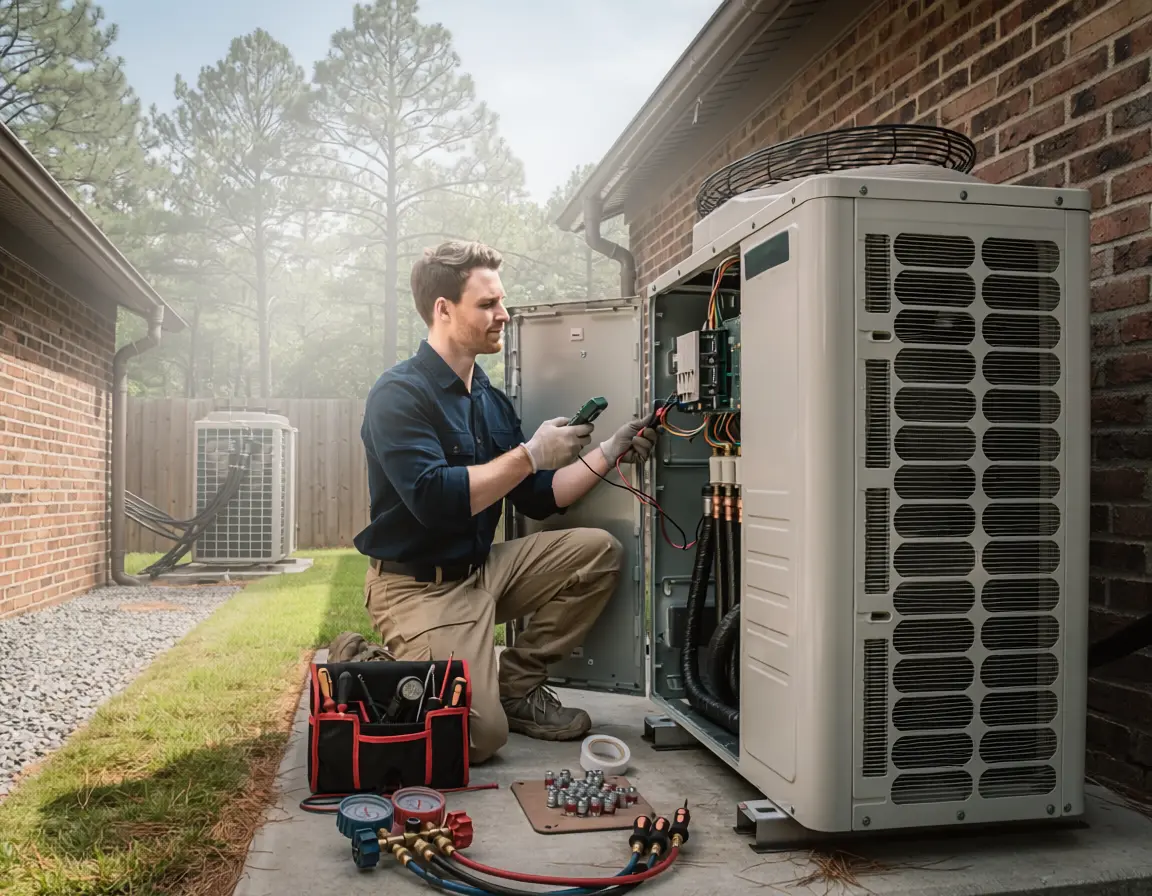
Uneven temperatures are a common concern in offices, retail spaces, restaurants, and other commercial buildings. One area may feel comfortable while another stays too warm.
These problems may be related to airflow, zoning, thermostat placement, ductwork, or the condition of the HVAC equipment. A professional inspection can help identify the source and recommend an appropriate solution.
Protect Indoor Airflow and Air Quality
Dirty filters and coils can reduce airflow and allow more dust to circulate through the building. Excess humidity may also contribute to odors and discomfort.
Commercial HVAC maintenance can include filter checks, coil inspections, drainage testing, and an evaluation of how air moves throughout the property. Depending on the building, additional indoor air quality solutions may also be worth discussing.
Extend the Useful Life of Equipment
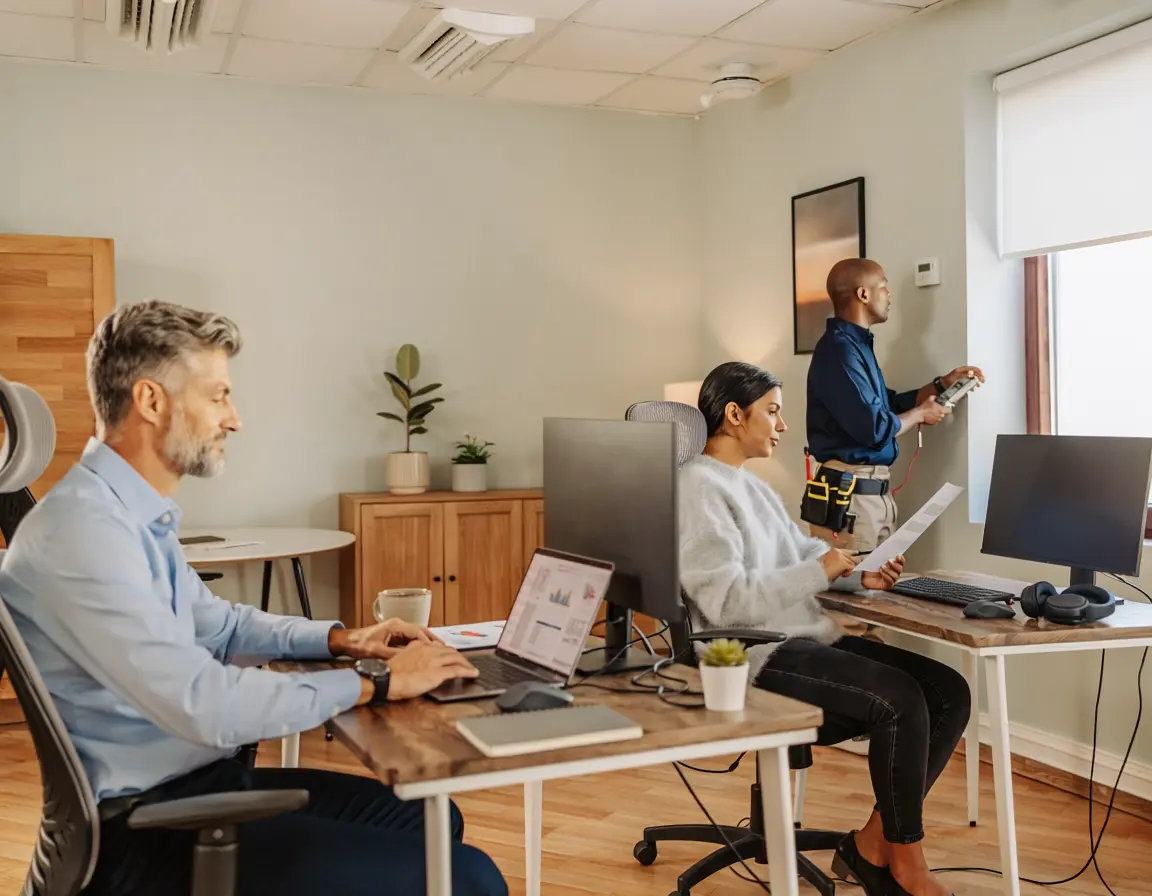
Commercial HVAC equipment is a major property investment. Regular service helps reduce unnecessary wear by keeping components clean, adjusted, and operating correctly.
Neglected systems may experience greater strain, especially during periods of high demand. While every system eventually needs replacement, consistent maintenance may help the equipment deliver more dependable service throughout its usable life.
Plan Maintenance Around Your Business
Commercial maintenance should be scheduled in a way that limits disruption. Service may be planned before peak cooling or heating seasons and around quieter business hours when possible.
The ideal maintenance schedule depends on the building, operating hours, equipment type, and indoor comfort requirements. A property that runs its HVAC system continuously may require more frequent attention than a small office with standard hours.
Know When Maintenance Is Not Enough
Maintenance supports equipment that is still in workable condition, but it cannot correct every problem. Frequent breakdowns, rising repair costs, poor temperature control, and aging equipment may indicate that replacement should be considered.
A professional HVAC contractor can explain whether maintenance, repair, or replacement is the most practical next step.
Free State Heating & Cooling provides commercial HVAC maintenance, repair, replacement, and installation services across East Texas. Proactive care can help business owners avoid preventable problems and keep their properties comfortable throughout the year.