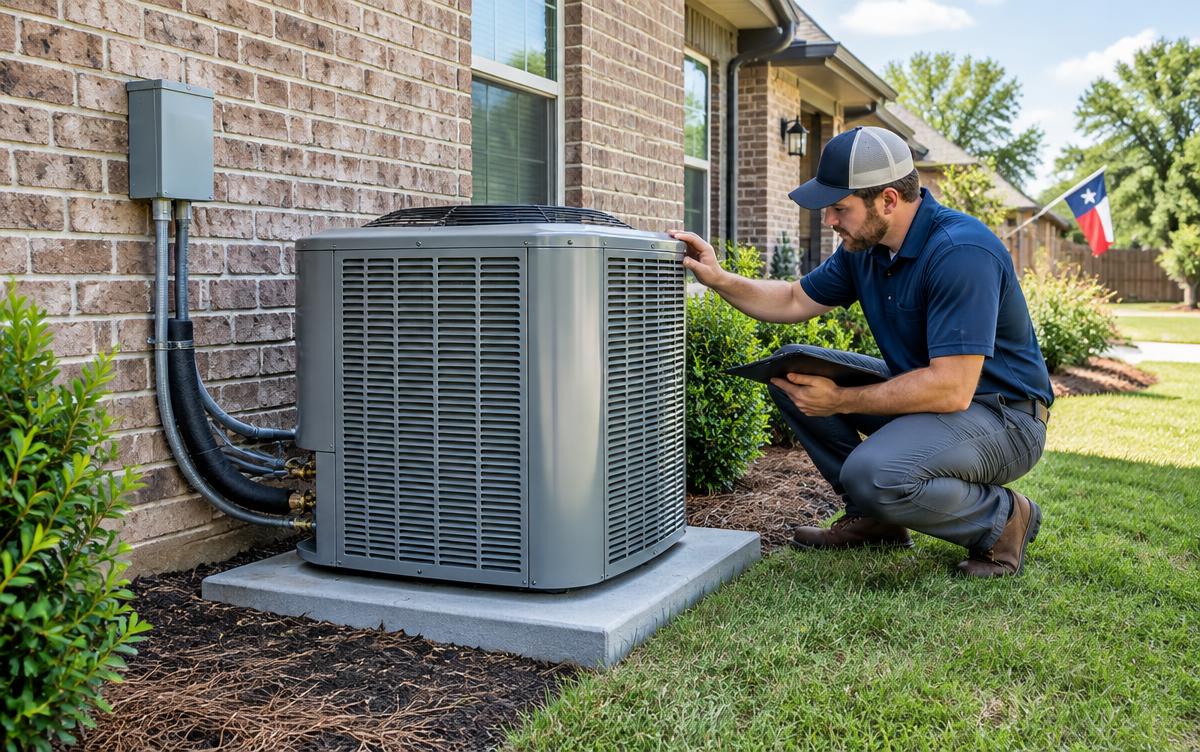
A new HVAC system is an important investment in your home. Whether you are replacing aging equipment, building a new property, finishing an addition, or installing heating and cooling for the first time, the quality of the installation affects how well the system performs.
For East Texas homeowners, choosing equipment designed for local cooling demands is important, but installation quality and system sizing matter just as much.
Here is what you should expect when planning a professional HVAC installation.
Step 1: Evaluating Your Home
A good HVAC installation starts before any equipment is ordered.
The contractor should evaluate the property and understand how the home is used. Factors such as square footage, insulation, windows, ceiling height, layout, sun exposure, and existing ductwork can affect heating and cooling needs.
This evaluation helps determine what type and size of system will work for the property.
Step 2: Choosing the Right HVAC System
There is no single HVAC system that works best for every East Texas home.
Options may include central air conditioning, heat pumps, furnaces, and ductless mini-split systems. The right choice depends on your home's existing setup, comfort goals, budget, and whether new ductwork is required.
Energy efficiency should also be considered, especially because cooling is such a major part of home comfort in East Texas.
A professional contractor should explain your options in plain language rather than simply recommending the most expensive equipment.
Step 3: Checking the Ductwork
If your home already has ductwork, it should be evaluated before connecting it to new HVAC equipment.
Leaks, disconnected ducts, poor insulation, or undersized ducts can reduce airflow and make a new system perform poorly.
This is especially important in older homes or properties that have been renovated or expanded. Adding rooms without updating ductwork can leave certain areas uncomfortable even after new equipment is installed.
Step 4: Removing Old Equipment
For replacement projects, the existing HVAC equipment must be disconnected and removed safely.
The installation area may also need preparation before the new system is placed. This could include adjusting connections, preparing the equipment pad, making duct modifications, or updating related components.
The goal is to give the new equipment a clean and properly prepared installation.
Step 5: Installing the New System
Once the space is ready, the technician installs the indoor and outdoor components and connects the necessary refrigerant lines, drainage, ductwork, controls, and electrical components.
Proper installation is critical. Even highly efficient equipment can perform poorly if airflow is incorrect or installation requirements are overlooked.
This is one reason homeowners should look beyond the equipment brand when selecting an HVAC contractor.
Step 6: Testing the System
The work should not end when the equipment turns on.
The contractor should test the system to confirm that it is cooling and heating correctly. Airflow, thermostat operation, drainage, electrical performance, and system controls should also be checked.
Testing helps identify installation issues before the job is considered complete.
Step 7: Learning How to Use and Maintain Your New HVAC System
Before your technician leaves, ask questions.
Find out how often the filter should be changed, how to use the thermostat, what maintenance the equipment requires, and what signs could indicate a future problem.
Routine HVAC maintenance after installation helps protect your investment and keeps the system operating properly.
Why Installation Quality Matters in East Texas
East Texas HVAC systems can face long periods of cooling demand. An incorrectly sized or poorly installed system may struggle to maintain comfort, run too frequently, or use more energy than expected.
Professional sizing, proper airflow, good ductwork, and careful installation all work together.
Whether you are installing a new HVAC system in Tyler, Athens, Canton, Lindale, Mabank, Eustace, or another East Texas community, selecting the right contractor is just as important as selecting the equipment.
Planning a New HVAC Installation?
You should feel informed before making a major HVAC decision.
Free State Heating & Cooling provides new AC, heat pump, and HVAC installation services throughout East Texas. From evaluating your property's needs to installing and testing the finished system, the goal is to help you get dependable heating and cooling for years to come.