A new air conditioner is one of the larger investments you will make in your home, and in East Texas it is also one of the most used. Between long cooling seasons and high humidity, the right system — installed correctly — pays you back every month.
Here is what homeowners should understand before signing an installation quote.
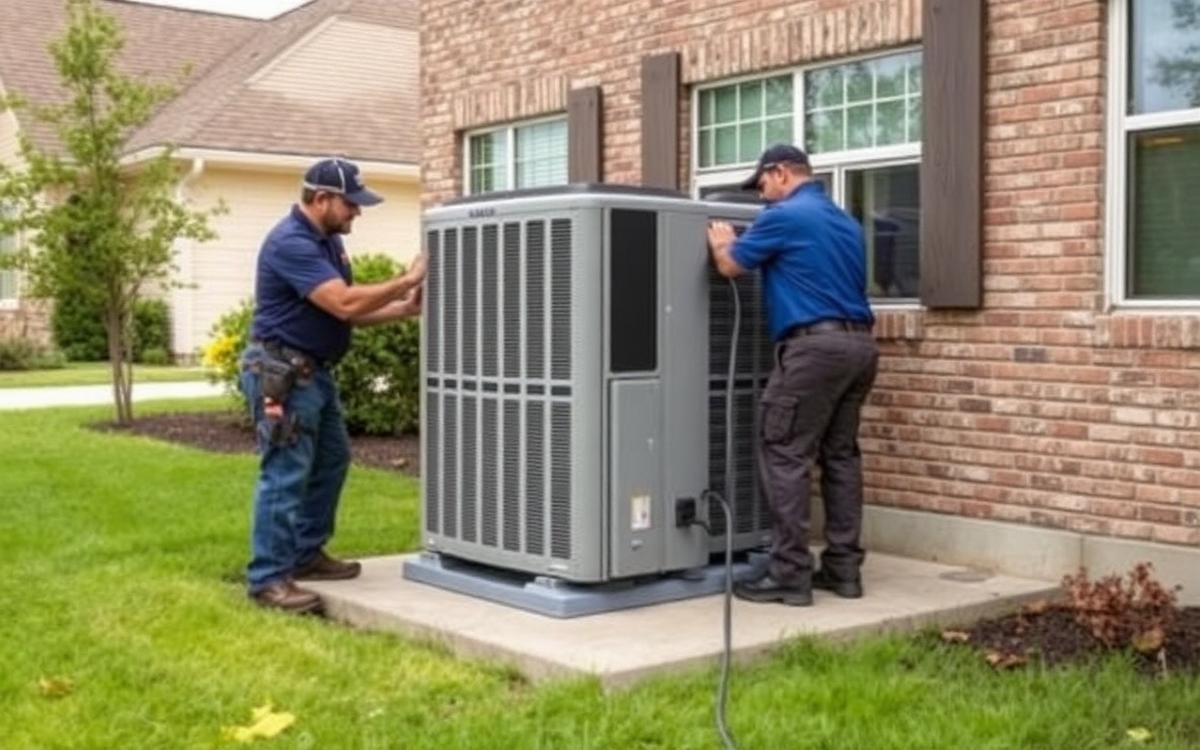
Sizing Matters More Than Brand
An oversized air conditioner cools the air quickly, shuts off, and never runs long enough to pull humidity out. The house feels cold and clammy, and the equipment wears out from short cycling. An undersized unit runs nonstop and still falls behind on 100-degree days.
Proper sizing comes from a Manual J load calculation that accounts for square footage, insulation, window area and orientation, ceiling height, and duct condition — not a rule of thumb based on the old unit.
Understanding SEER2 in a Hot Climate
SEER2 measures cooling efficiency. In East Texas, where the system runs eight or nine months a year, a higher SEER2 rating returns more than it would in a mild climate. Two-stage and variable-speed systems also run longer at lower capacity, which improves humidity control and evens out temperatures between rooms.
The right target is a balance: a modest efficiency upgrade with excellent installation usually outperforms a premium unit installed poorly.
Do Not Ignore the Ductwork
Many East Texas homes have ductwork in unconditioned attics. Leaky or undersized ducts can waste 20 to 30 percent of the cooling you paid for. Before installing new equipment, ducts should be inspected for leaks, crushed flex runs, and proper return air sizing. Fixing them is often the cheapest comfort improvement in the project.
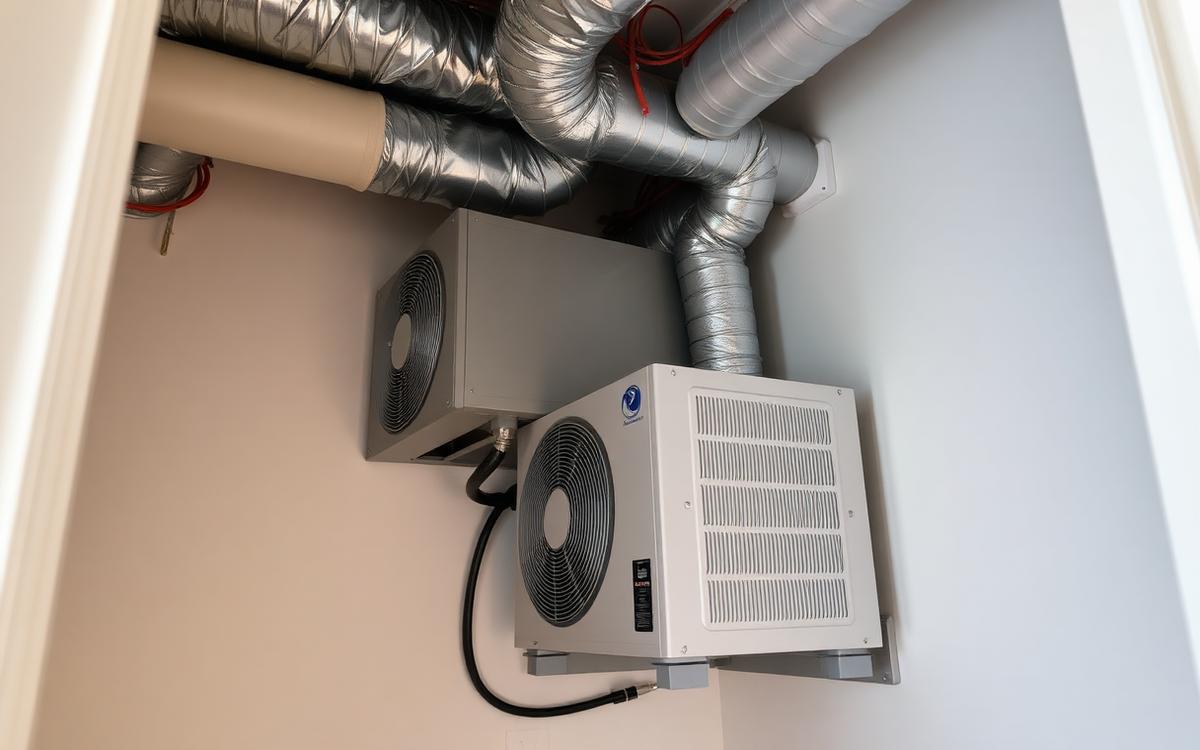
What a Quality Installation Day Looks Like
A typical residential changeout takes one day. The crew protects flooring, recovers old refrigerant properly, removes the old equipment, sets the new condenser on a level pad, installs the indoor coil or air handler, runs new line set or flushes the existing one, connects electrical and condensate drainage, pulls a deep vacuum on the system, weighs in the correct refrigerant charge, and verifies airflow and temperature split before leaving.
That vacuum and charge step is where shortcuts show up. Ask any contractor how they verify charge — the answer tells you a great deal.
Questions to Ask Before You Buy
- Did you perform a load calculation, or size from the existing unit?
- Is the ductwork included in the evaluation?
- What is covered by the labor warranty, and for how long?
- Who registers the manufacturer parts warranty?
- Are permits and inspections handled for me?
Free State Heating & Cooling has installed residential air conditioning systems across East Texas since 1993, with honest sizing, clean workmanship, and financing available for new system installations.